To thoroughly study and implement the spirit of the Fourth Plenary Session of the 20th CPC Central Committee and the Central Conference on Comprehensive Law-Based Governance, the Symposium on the Studying, Implementing and Disseminating Xi Jinping Thought on the Rule of Law was successfully held in Beijing on the afternoon of 24 Nov.
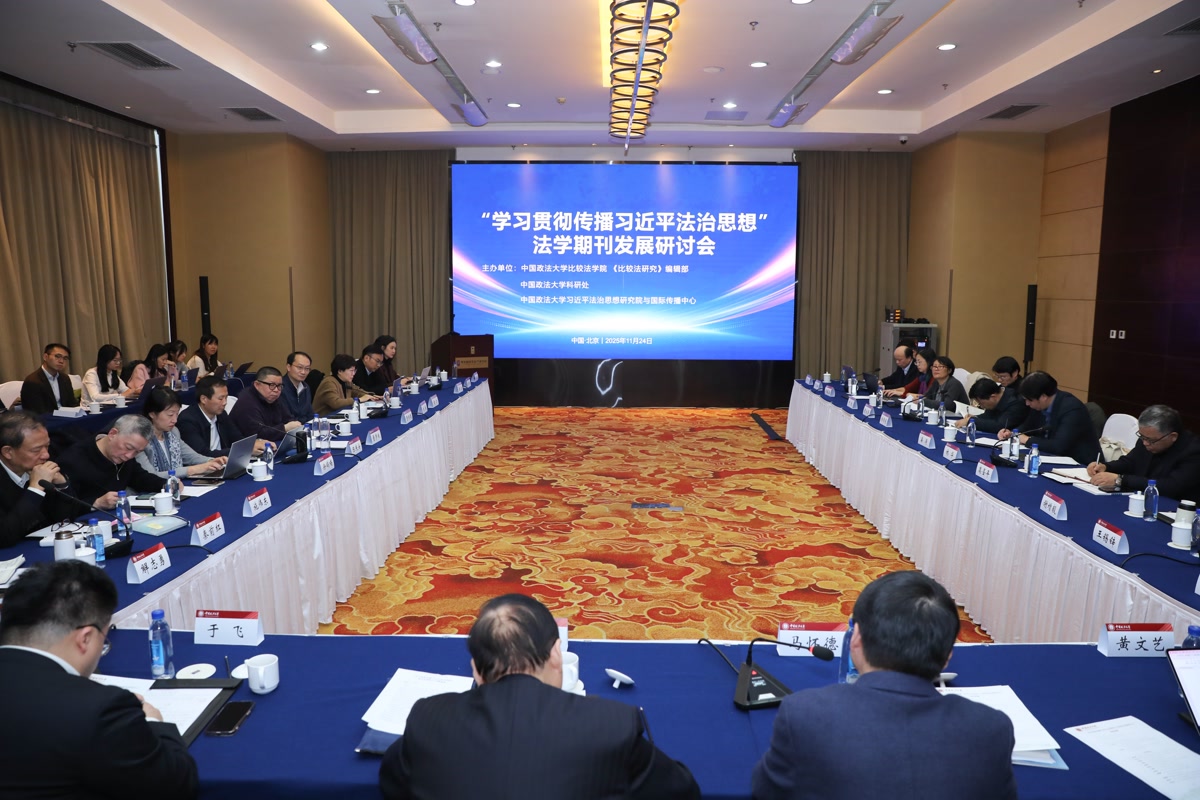
The event was jointly organised by the College, the Editorial Office of Journal of Comparative Law and the Research Office of CUPL.
At the opening ceremony, Professor Zhang Wenxian, Member of the Advisory Committee of the Marxist Theory Research and Development Project, President of the China Law Journal Research Association & Editor-in-Chief of Law and Social Development, and Professor Ma Huaide, President of CUPL, Chair of the Academic Committee, Vice President of the China Law Society & President of the Administrative Law Studies Association, delivered opening remarks.
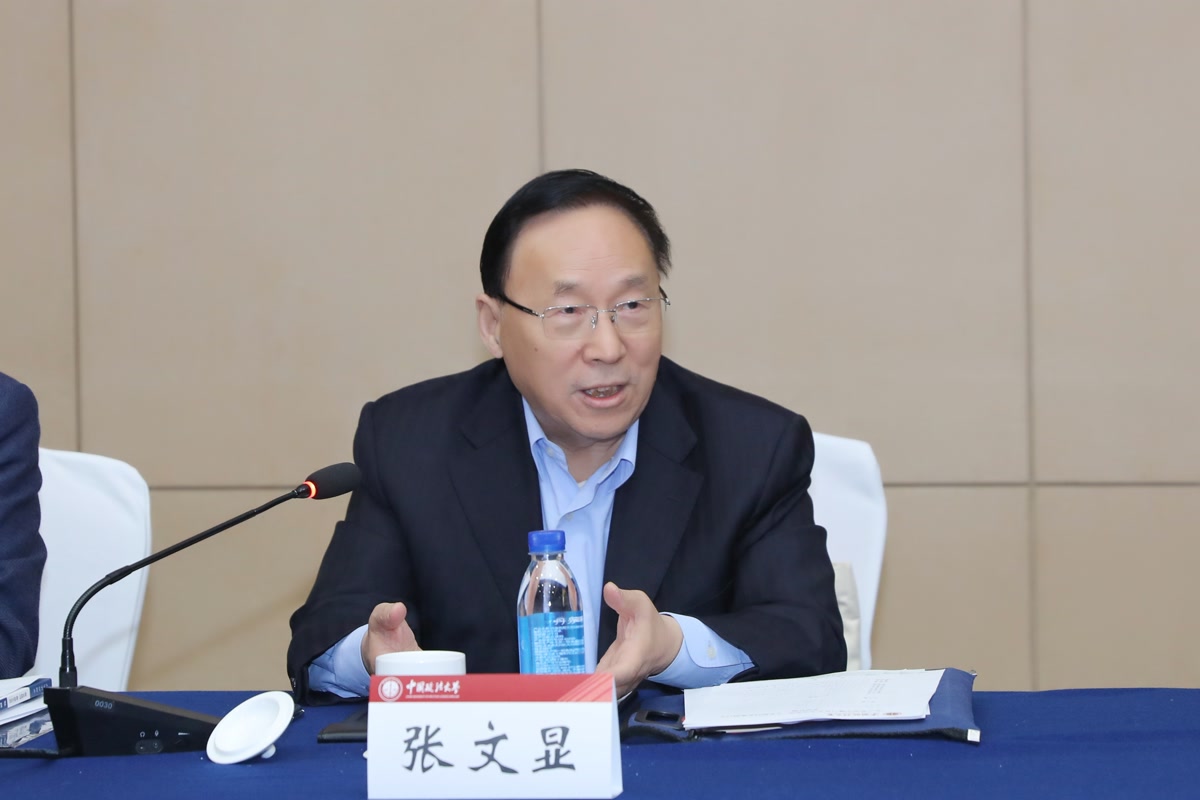
Zhang Wenxian pointed out that future in-depth research on Xi Jinping Thought on the Rule of Law will develop in four main directions.
First, it will show an increasingly pronounced trend towards theoretical refinement and systematic development, especially in clarifying and deepening the new concepts, propositions and formulations proposed by General Secretary Xi. Second, research will increasingly demonstrate disciplinary specificity and practical orientation, given the breadth and complexity of the theory’s content. Third, its popularisation will be further strengthened, as Xi Jinping Thought on the Rule of Law should serve not only the education of officials but also the broader public. Fourth, its internationalisation will gain momentum. In light of insufficient understanding in the international community, especially in Western countries, he emphasised the need to enhance external communication regarding its theoretical foundations and practical logic so as to improve global understanding of China’s rule-of-law philosophy.
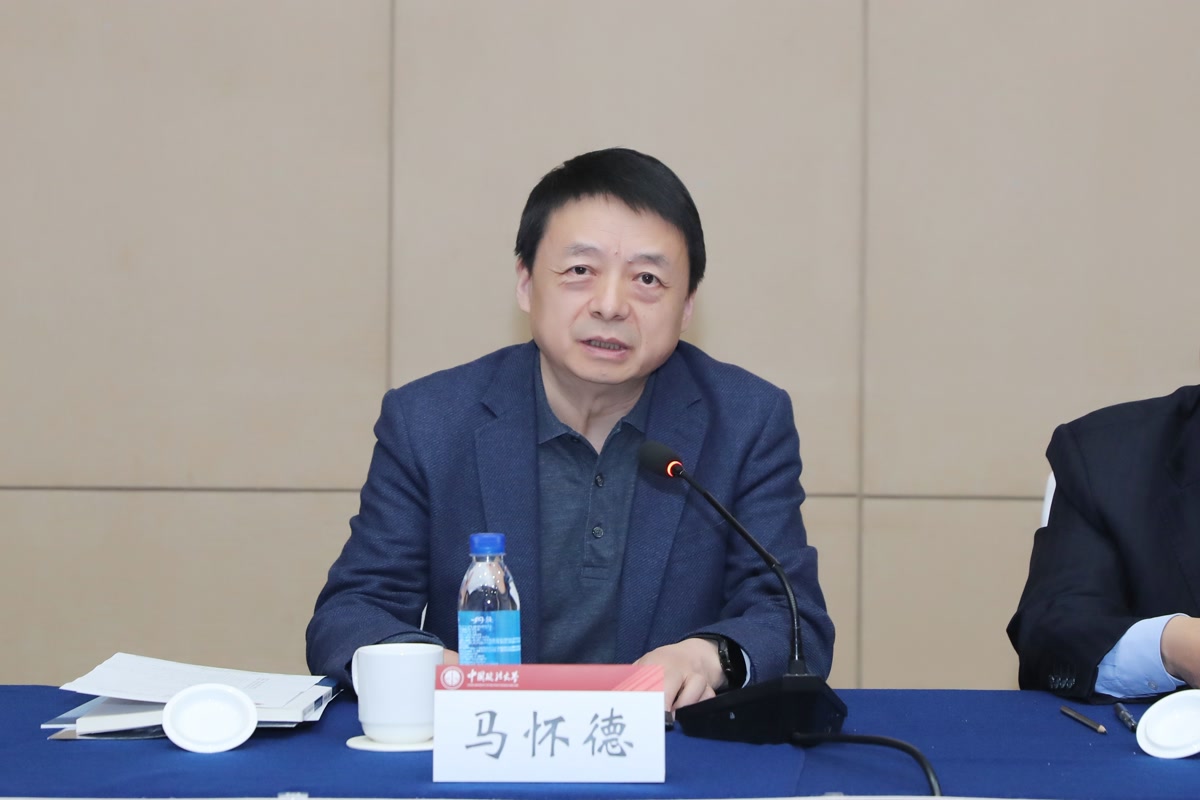
Ma Huaide highlighted that strengthening the research and dissemination of Xi Jinping Thought on the Rule of Law is an important mission of the contemporary legal academic community. He made four proposals: 1) research on Xi Jinping Thought on the Rule of Law should take a more prominent place in legal periodical work; 2) efforts should accelerate to build an independent Chinese legal knowledge system; 3) academic studies must maintain close engagement with practical needs; and 4) legal journals should prioritise talent cultivation, producing high-quality scholarship while nurturing a new generation of young legal scholars.
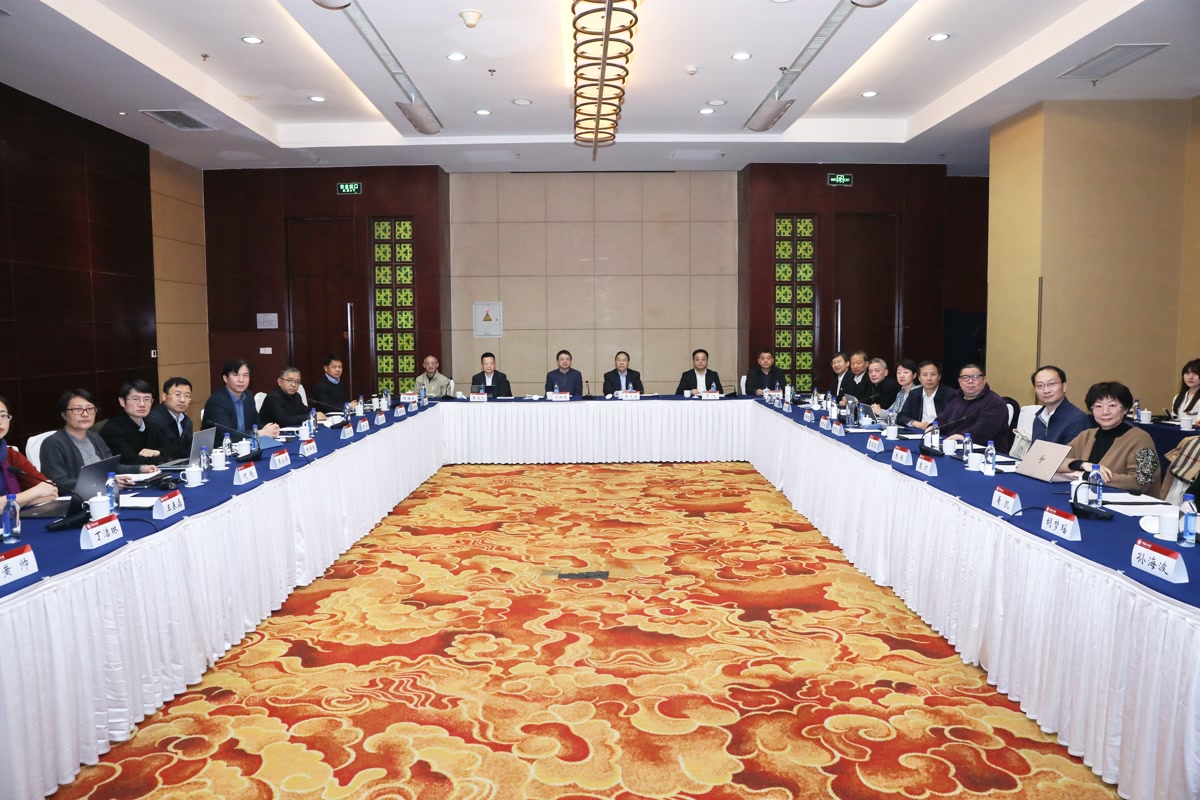
Representatives from the China Law Society, the Shanghai Law Society, and leading journals including Social Sciences in China, China Legal Science, Chinese Journal of Law, Peking University Law Journal, Law Review, Oriental Law, Global Law Review, Journal of National Prosecutors College, Legal Scientist, Politics and Law, Modern Jurisprudence, Studies in Law and Business, Research on Rule of Law, China Law Review, Tsinghua China Law Review, Administrative Law Review, Xinhua Digest, RUC Reprints, Human Rights Studies, Journal of CUPL, as well as editors from Journal of Comparative Law, among others—more than 30 experts in total—attended the symposium. The scholars engaged in in-depth discussions on key topics, including the theoretical interpretation of Xi Jinping Thought on the Rule of Law, the mission of legal journals in the new era, the construction of an independent Chinese legal knowledge system, and the innovation of legal periodical development.
In his academic summary, Zhang stressed that deepening research on Xi Jinping Thought on the Rule of Law must avoid two pitfalls: “annotating the classics with oneself” and “forcing the classics to validate oneself”. He emphasised that research should return to the original meaning of the theory and remain closely linked to the vivid practice of China’s rule-of-law development. All citations must be extremely accurate, strictly adhering to the principles of “original wording, original text and original meaning”. He highly affirmed the symposium, noting that the discussions were profound and fruitful, and that the meeting offered valuable guidance for future journal work in advancing the study and interpretation of Xi Jinping Thought on the Rule of Law.
Professor Xie Zhiyong, Dean of the College and Editor-in-Chief of Journal of Comparative Law, delivered closing remarks. He expressed heartfelt gratitude to all participants for their insightful contributions and looked forward to continued collaboration in promoting the flourishing of legal scholarship and the advancement of rule-of-law practice.